Straight-Talkin' and Proper Trusted: Why Black Country Bosses Run Rings Round Any MBA Graduate
Somewhere in a glass-and-steel office building, a middle manager named Tarquin is sending a twelve-paragraph email about "synergising cross-functional deliverables" when what he actually means is: sort your spreadsheet out by Thursday. His team are baffled. His boss is impressed. Nothing gets done.
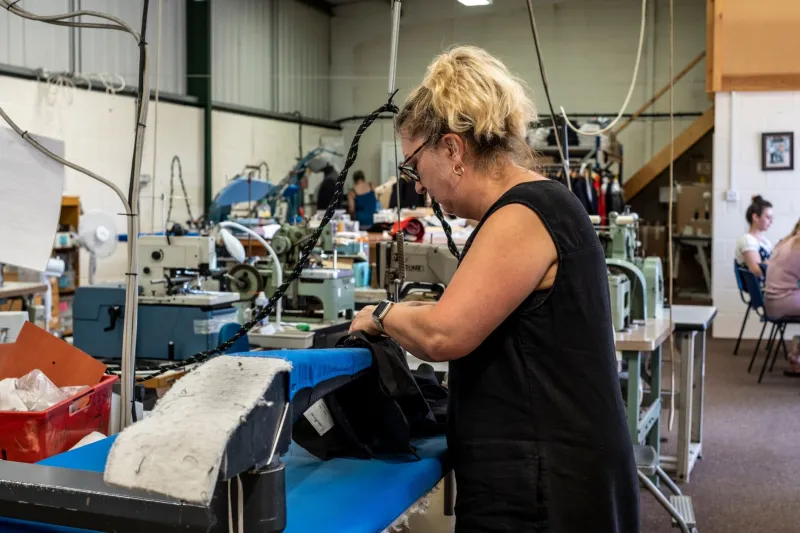
Meanwhile, in a unit off the Wolverhampton ring road, Karen from Wednesbury is running a manufacturing operation that turns over seven figures, manages forty-odd staff, and has a waiting list of workers who'd rather graft for her than take a cushier job somewhere posher. Her secret? She tells yer straight. No flannel, no faffing, no corporate theatre.
This is the Black Country management style, and it's been quietly outperforming every leadership framework ever dreamed up in a Harvard lecture hall.
"I Ay Got Time for Waffle, Bab"
There's a particular kind of dishonesty that passes for professionalism in modern British business. It speaks in euphemisms. It calls sackings "right-sizing" and bad ideas "learnings" and doing someone else's job "going above and beyond your remit." It's exhausting, it's transparent, and it breeds exactly the kind of low-trust, high-turnover workplace culture that consultants then get paid a fortune to fix.
Black Country bosses, by and large, don't do any of that.
"If summat's gone wrong, I'll tell yer it's gone wrong," says Dean, who runs a fabrication firm outside Dudley that his dad started in a back yard in 1987. "I ay gonna dress it up. But I'll also tell yer how we'm gonna fix it, and I'll listen if yo've got a better idea. That's it. That's management."
Dean has had the same core team for over a decade. His staff turnover rate would make an HR director weep with joy. And he's never been on a leadership course in his life.
Directness Is Not the Same as Rudeness
There's a misconception — often held by people who've never set foot in the Black Country — that plain-speaking folk are somehow brusque or unkind. That saying what you think without wrapping it in three layers of corporate padding is somehow aggressive.
It isn't. It's respectful.
When you tell someone directly that their work needs improving, you're treating them like an adult. When you bury that same message in "we feel there are some exciting opportunities for growth in this area," you're being condescending and, frankly, cowardly. Most people know when they're being managed by someone who believes in them and when they're being handled by someone who's covering their own back.
Tracey, who manages a logistics depot outside Brierley Hill, puts it brilliantly: "My lot know where they stand wi' me. Always. And that means when I tell 'em they've done summat brilliant, they know I mean it — 'cause I ay the type to just say it for the sake of it."
That's the thing about authenticity. It makes praise land harder. It makes criticism sting less. It builds the kind of trust that no team-building day in a Worcestershire hotel can manufacture.
The Graft Comes First, the Glory Comes After
Black Country management culture is also deeply rooted in the idea that you earn your authority by knowing the work, not just overseeing it. The best bosses from round here have usually done the job themselves — or something close to it. They've worked the floor, run the tools, answered the phones, loaded the van.
That history matters. Workers can smell a boss who's never got their hands dirty from about fifty yards. And they respond to one who has, with a loyalty that no bonus scheme can replicate.
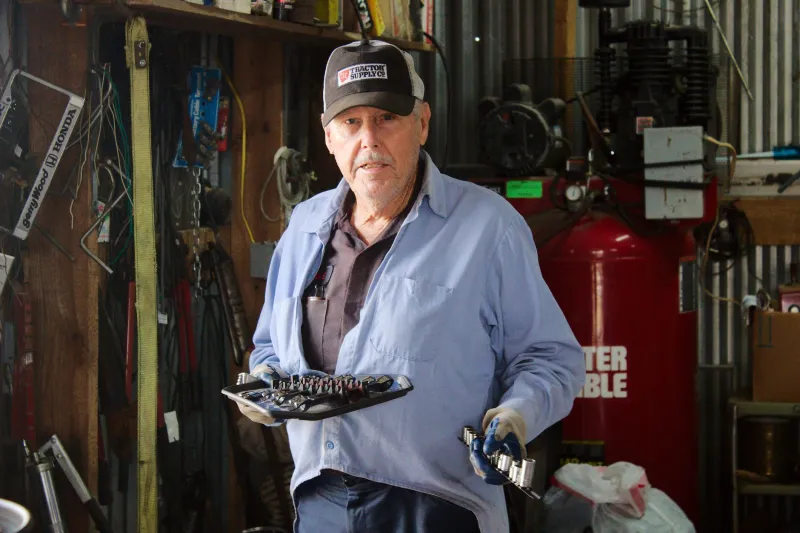
"My old gaffer used to come in on Saturdays when we were behind," remembers Mick, a semi-retired toolmaker from Cradley Heath. "Didn't have to. But he did. And I'd have walked through walls for that bloke. Still would."
This isn't just nostalgia. Younger workers in the Black Country — often written off as disengaged or entitled by the very management consultants who've never had to motivate anyone — respond to exactly the same thing. Fairness. Effort. Honesty. A boss who shows up.
What Business Schools Teach That Real Life Doesn't
None of this is to say education doesn't matter. It clearly does. But there's a gap — sometimes a chasm — between what business schools prize and what actually makes a good leader of actual human beings.
Business schools teach frameworks. The Black Country teaches you to read a room. Business schools teach you to present confidently. The Black Country teaches you that confidence without substance is just noise. Business schools produce people who can write a mission statement. The Black Country produces people who can actually carry one out.
"I interviewed a lad once," says Karen, back at her Wolverhampton unit. "Brilliant CV. Talked a proper good game. Couldn't tell me how the production line actually worked, though. Kept saying he'd 'leverage the team's expertise.' I'm thinking — mate, I am the expertise. What am I leveraging you for?"
She hired someone else. Someone who asked good questions, admitted what they didn't know, and got stuck in from day one.
The Dialect That Disarms
There's also something to be said for the accent itself. A Black Country voice — warm, direct, distinctly unpolished — cuts through the performative sheen of corporate communication in ways that a received pronunciation drawl simply cannot.
People trust it. It signals that you're not trying to impress anyone, that you're not playing a role. When a Black Country boss tells you something is going to be alright, you believe them. When they tell you it's not, you believe that too.
In a world increasingly saturated with personal branding, thought leadership guff, and LinkedIn posts that read like motivational posters written by robots, there's a genuine market for someone who just says the thing they mean.
The Black Country's been doing that since before management were even a concept.
Give Me the Gaffer Who Calls a Spade a Spade
The next time some business publication runs a feature on the "leadership secrets of the world's most successful executives," take a look at what they're actually describing. Nine times out of ten, it's clarity of communication, genuine accountability, consistency under pressure, and the ability to bring people with you rather than just directing them from above.
That's not a secret. That's just how folk round here have always done it.
Maybe it's time business schools started sending their students to Dudley for a year, rather than the other way round. They'd come back with fewer buzzwords and a damn sight more sense.
And if the commute's a bit grim, well — welcome to the working world, bab. Nobody said it were going to be glamorous.