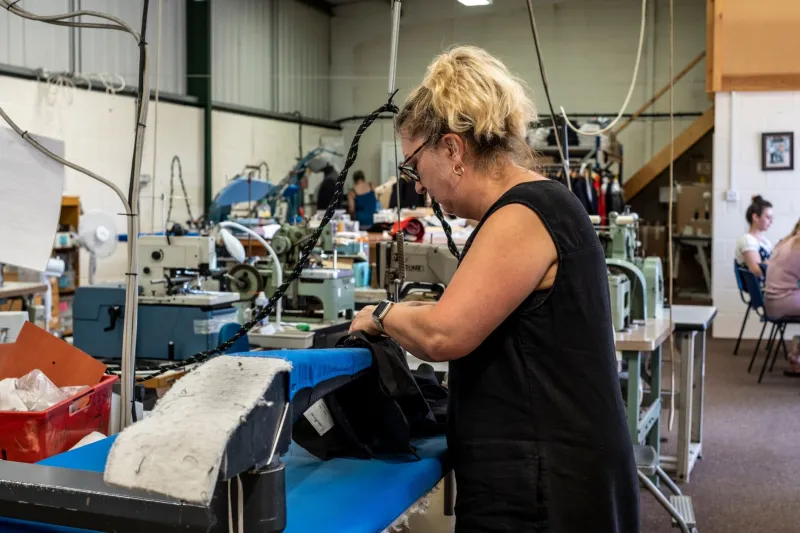
The Nod, the Word, and the Way Things Get Done: Black Country Workplace Wisdom That No HR Department Could Ever Write Down
Somewhere in a glass-fronted office park, a middle manager is updating a compliance framework for the fourth time this quarter. The document is forty-seven pages long. It covers everything from hot-desking etiquette to the correct use of the office microwave. Nobody has read it. Nobody will. The problems it was designed to prevent are still happening, largely because the people causing them know exactly how to navigate forty-seven pages of policy without actually changing their behaviour.
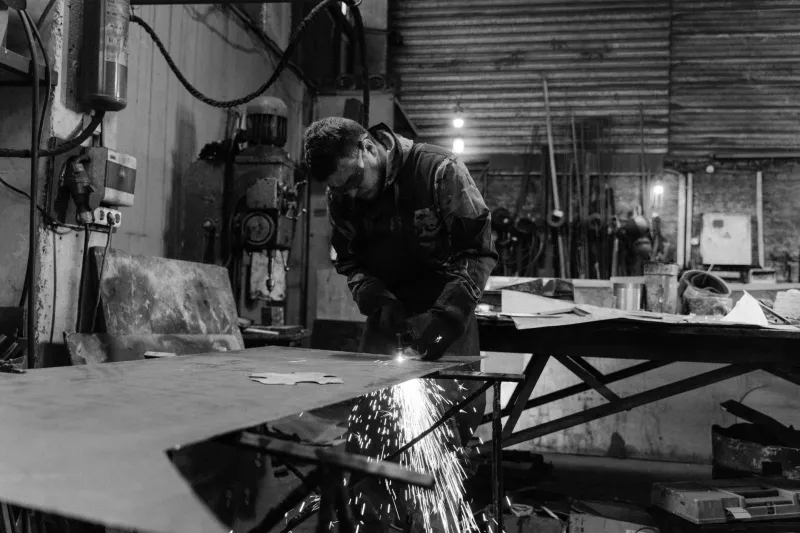
Meanwhile, in a fabrication yard in Cradley Heath, a foreman called Mick settles a dispute between two welders in about forty seconds flat, with no paperwork, no witness statements, and no follow-up meeting. Both men go back to work. The job gets done. Nobody bears a grudge.
This is not a coincidence.
What the Foreman Knew That the Consultant Doesn't
The informal codes that govern Black Country workplaces didn't emerge from a management seminar. They were forged — and that word is used deliberately — in the same furnaces and on the same shop floors that shaped the region itself. Decades of hard, skilled, sometimes dangerous work produced a set of unwritten rules that are, when you look closely, remarkably sophisticated.
Respect is earned, not assigned by job title. Fairness is non-negotiable and publicly visible. Accountability runs in every direction — upward as well as down. Directness is not rudeness; it's efficiency. And your word, once given, is a binding contract that no solicitor needs to witness.
"You knew where you stood," says Ray Cartwright, 69, a retired press-shop foreman from Willenhall with forty years on the tools. "If the gaffer said he'd sort something, it got sorted. If he said something weren't acceptable, you knew why, you knew what to do different, and that were the end of it. No forms. No waiting three weeks for a meeting. Just straight talk and then you got on with it."
The Handshake That Outlasted the Contract
In an era when employment lawyers are kept busy unpicking the ambiguities in six-figure settlement agreements, it's worth pausing to consider the handshake deal — that much-maligned relic of the pre-litigation workplace.
In Black Country trades, the handshake wasn't naivety. It was a highly effective social technology. Both parties understood that their reputation in the trade, in the town, in the pub where everybody knew everybody, was on the line every time they extended a hand. Breaking your word didn't just end one deal. It ended your standing. In a region where industries were tightly networked and everybody's cousin worked somewhere you might need a favour from, that was a genuinely powerful deterrent.
"My dad shook hands with the same three suppliers for thirty years," says Carole Simms, 55, who runs a small engineering firm in Sedgley that her father founded in the 1970s. "He never had a written contract with any of them. They all delivered on time, charged fair, and sorted problems without fuss. Because if they hadn't, word would've got around and they'd have lost half their customers by the end of the month."
Social accountability at scale. No algorithm required.
Directness as a Form of Respect
One of the most persistent misreadings of Black Country workplace culture — particularly by management consultants who've never spent a day on a factory floor — is the assumption that directness is aggression. It isn't. It's the opposite.
Aggression is designed to make the other person feel small. Directness is designed to make the problem go away as quickly as possible so everyone can get back to the job. The distinction matters enormously, and Black Country workers have always understood it instinctively.
"If there were a problem, you said so," explains Dave Follows, 61, a site manager from Tipton with a reputation across the West Midlands construction industry for running tight, drama-free sites. "You didn't hint at it in an email. You didn't raise a concern through the proper channels and wait six weeks for a response. You walked over, said what needed saying, heard what the other person had to say, and sorted it. Most problems take about five minutes to fix if you actually talk to each other."
The irony is that this approach — which looks blunt from the outside — is actually far more emotionally intelligent than the passive-aggressive paper trail beloved of modern management culture. It treats the other person as a capable adult. It assumes they can handle honest information. It respects their time.
What the Compliance Culture Gets Wrong
None of this is an argument against worker protections. The Black Country's industrial history includes chapters that nobody wants to return to — unsafe conditions, exploitation, the casual dismissal of men who'd given their working lives to a firm. Those protections exist for good reason.
But there's a growing body of evidence — and a growing chorus of workers across industries — suggesting that the pendulum has swung too far in the direction of process over people. When every human interaction requires documentation, when directness is treated as a disciplinary matter, when trust is replaced entirely by procedure, something essential gets lost.
What gets lost is exactly what the Black Country foreman had: the ability to build a team that functions because people genuinely trust and respect each other, not because they're afraid of the HR department.
"The best workplaces I've ever been on ran on reputation and mutual respect," says Dave. "Everybody knew what were expected. Everybody knew it'd be noticed if they did a good job. And everybody knew that if they let the team down, they'd hear about it straight — not in a letter six weeks later."
Passing It On
The question now is whether this knowledge survives the transition into a working world that increasingly operates through screens, policies, and platforms. Younger workers entering the trades are encountering both worlds simultaneously — the old informal codes passed down by experienced colleagues, and the formal compliance structures imposed from above.
The smart ones, by all accounts, are learning to navigate both. But they're also recognising which one actually builds a functional team.
"You can read all the management books you want," says Carole. "But until you've watched a proper foreman sort out a problem in forty seconds with nowt but a straight word and a fair ear, you ay really learned owt about how people work."
No module for that. No framework. Just the nod, the word, and the way things get done.